
Introduction: The Power of One Wrong Move
In 2018, Elon Musk tweeted a seemingly simple statement: “Am considering taking Tesla private at $420. Funding secured.” What followed was a $40 million SEC lawsuit, market panic, and a drop in Tesla’s stock price. One miscalculated move—one blunder—cost Musk millions and nearly derailed Tesla’s momentum.
Success isn’t just about making the right moves; it’s about avoiding catastrophic errors.
A single blunder—whether in business, investments, or personal decisions—can create a domino effect that wrecks even the best-laid plans. High achievers know that the difference between winning and losing isn’t just bold moves—it’s blunder prevention.
In this article, we’ll break down:
✅ How one mistake can unravel everything
✅ The psychology behind blunders (and why smart people make them)
✅ Blunder-proof strategies to protect your game plan
✅ How to recover fast if you do slip up
Let’s get into it.

I. The Domino Effect: How One Blunder Destroys Everything
Blunders don’t exist in isolation. One wrong move can set off a chain reaction that’s impossible to stop.
Real-World Examples of Costly Blunders
📉 Business Failures: Blockbuster ignored Netflix, refusing to adapt. One bad decision led to complete collapse.
💰 Investing Mistakes: A single high-risk trade can wipe out years of gains. Ever heard of Luna/Terra’s $40B crash? Many investors bet their entire portfolio—and lost it all.
👥 Personal Relationships: One impulsive, emotionally driven response can destroy trust overnight.
♟️ Chess Metaphor: In chess, one blunder can turn a winning position into a losing one. A single move—leaving your queen exposed, miscalculating an attack—can shift momentum permanently.
Why Small Mistakes Matter More Than You Think
❌ Momentum Shift – A blunder puts you on the defensive. Instead of playing to win, you’re scrambling to recover.
❌ Compounded Risk – A single misstep often forces you into more bad decisions to fix it.
❌ Loss of Confidence – One failure can shake your trust in your own strategy, leading to hesitation and further mistakes.

Key Takeaway:
The best players (in chess, business, and life) don’t just focus on making great moves. They master the art of avoiding catastrophic mistakes.
II. The Psychology Behind Blunders: Why Smart People Make Dumb Mistakes
Blunders aren’t just random mistakes—they’re often predictable outcomes of psychological biases, stress, and flawed thinking patterns. Even brilliant minds fall into these traps. Understanding why can help us break the cycle and avoid costly errors.
1. Cognitive Biases: The Hidden Traps in Your Brain
Your brain is wired to take shortcuts—but some of these shortcuts lead straight to blunders. Here are the most dangerous biases:
🔥 Overconfidence Bias – Thinking You’re Too Smart to Fail
- The Trap: Successful people often believe they can’t be wrong.
- Example: Elon Musk’s Twitter purchase—he underestimated how much damage impulsive leadership could cause.
✔ Fix: Assume that you might be wrong. Run major decisions by someone who challenges you.
🚫 Confirmation Bias – Ignoring Red Flags
- The Trap: You only see evidence that supports your belief and ignore anything that contradicts it.
- Example: Crypto investors in 2021—ignoring warning signs and convincing themselves that prices would never drop.
✔ Fix: Before making a big decision, ask: “What would someone who disagrees with me say?”
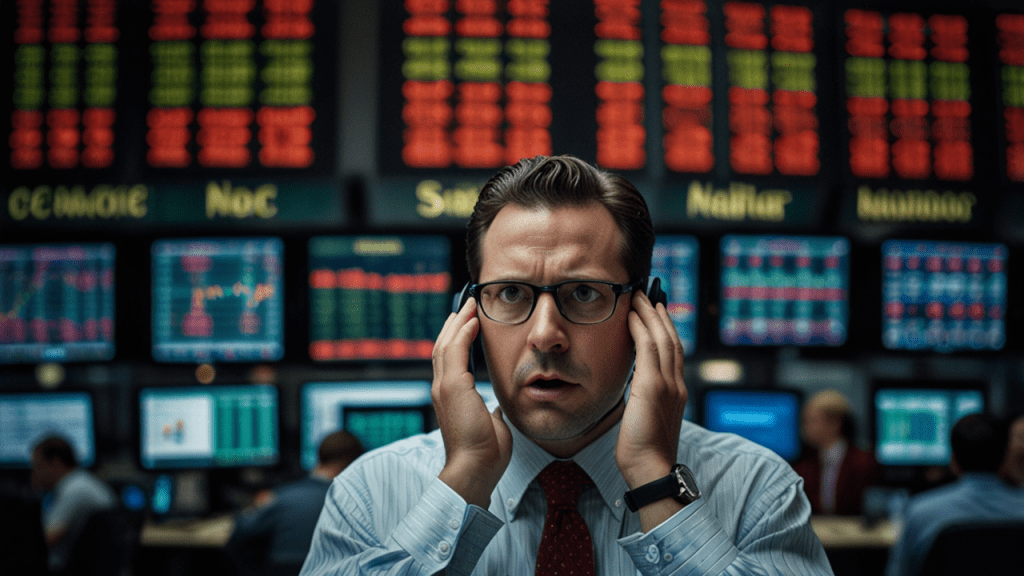
💸 Sunk Cost Fallacy – Throwing Good Money (or Effort) After Bad
- The Trap: Sticking with a bad decision just because you’ve already invested a lot into it.
- Example: Kodak kept investing in film cameras even after digital photography took over.
✔ Fix: Always ask: “If I weren’t already invested, would I make the same decision today?”
2. Stress & Fatigue: How Pressure Leads to Blunders
💀 Under Pressure, The Brain Defaults to Bad Choices
- Stress narrows focus, making you miss the big picture.
- Fatigue weakens decision-making—studies show that tired people are 23% more likely to make errors.
- In high-pressure situations, people default to habit—which might be the wrong move.
✔ Fix: Before making a big move, do a “decision reset”—take a break, get fresh air, or sleep on it.
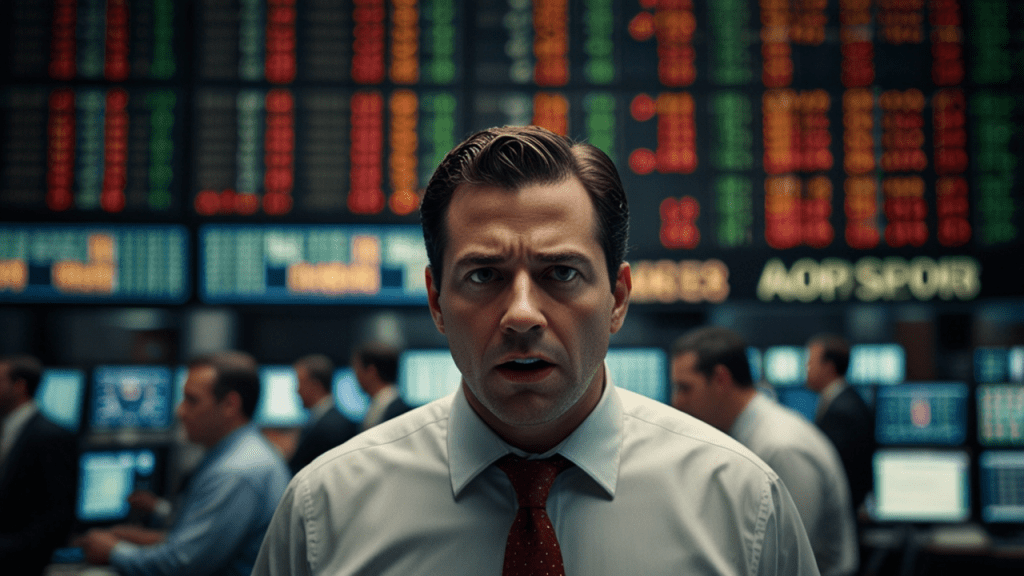
3. The Fast Thinking vs. Slow Thinking Trap
⏩ Fast Thinking = Impulsive, gut-based, emotional. (Good for small decisions, bad for big ones.)
🐢 Slow Thinking = Strategic, calculated, deliberate. (Essential for high-stakes choices.)
✔ Fix: When facing a high-impact decision, pause and ask: “Am I thinking fast or slow?” If it’s fast, slow it down.
III. How to Blunder-Proof Your Game Plan
Now that we know why blunders happen, let’s focus on how to prevent them.
1. Adopt a Chess-Style Thinking Approach
♟ Think Three Moves Ahead
Before making a big decision, ask:
✅ What happens immediately after this move?
✅ How will others react?
✅ What are the potential downsides?
🧠 Anticipate the “Counter Move”
In business, negotiations, and investments, always consider:
❌ What if this goes wrong?
❌ What if the market/opponent/client reacts differently?
❌ What’s my backup plan if this fails?
✔ Fix: Always have a Plan B—even when things look certain.

2. Build a Blunder-Resistant Decision Framework
📊 The “Red Team” Strategy – Challenge Your Own Thinking
- Assign a trusted advisor or mentor to challenge your decision.
- Ask: “If I were my biggest competitor, how would I exploit this?”
- Forces you to see weaknesses before they become disasters.
✔ Fix: Have a “devil’s advocate” question every major move you make.
⏳ The 24-Hour Rule – Avoid Emotional Decisions
- When tempted to make a big, emotional decision, wait 24 hours.
- Studies show delaying impulsive choices reduces regret.
- Many blunders happen because of rushed, emotional reactions.
✔ Fix: Before making any big decision, force yourself to sleep on it.
🛡 The Risk-Reward Test
For every decision, ask:
✔ Best-Case Scenario: What’s the maximum upside?
❌ Worst-Case Scenario: Can I survive if this fails?
✅ Risk vs. Reward Ratio: Is the reward worth the risk?
✔ Fix: Only take calculated risks where the upside outweighs the downside.

IV. How to Recover Fast from a Blunder
Even with the best strategies, blunders still happen. Here’s how to bounce back without losing momentum.
1. Own It Immediately – No Cover-Ups
- The worst response to a blunder? Denying or hiding it.
- Most reputational damage comes from how mistakes are handled, not the mistake itself.
✔ Fix: Admit it early, pivot quickly, and refocus on solutions.
2. Conduct a “Post-Mortem” Analysis
After a blunder, ask:
❌ What warning signs did I ignore?
❌ What biases influenced my thinking?
✅ What lesson can I take forward?
✔ Fix: Turn every mistake into a learning moment.
3. Shift Back to Offense ASAP
- A blunder can make you play too cautiously—which leads to more missed opportunities.
- Instead of dwelling, focus on the next winning move.
✔ Fix: After analyzing the mistake, set a new bold goal to get back in control.
V. Real-World Case Studies: Blunders That Changed Everything
To drive home the importance of avoiding blunders, let’s look at some high-profile mistakes that had massive consequences.

1. Yahoo’s $125 Billion Mistake
🔹 In 2002, Yahoo had the chance to buy Google for $1 billion. They walked away.
🔹 In 2008, they rejected a $44 billion acquisition offer from Microsoft—believing they were worth more.
🔹 Today, Yahoo is a shadow of its former self, while Google is worth $2 trillion.
Lesson: Overconfidence in short-term valuations can lead to long-term losses.
2. Kodak’s Failure to Adapt
🔹 Kodak invented the digital camera—but ignored it, fearing it would disrupt their film business.
🔹 They refused to pivot, and by the time they reacted, digital photography had taken over.
🔹 Kodak filed for bankruptcy in 2012.
Lesson: Ignoring industry shifts or clinging to the past is a major strategic blunder.
3. The 2022 Crypto Collapse
🔹 Crypto investors who went all in on Luna/Terra lost everything overnight in a $40 billion crash.
🔹 The mistake? Failing to diversify and ignoring warning signs of instability.
Lesson: High-risk, high-reward moves require exit strategies. Always protect your downside.
VI. Extra Tactical Takeaways: How to Make Fewer Blunders
Beyond the core principles, here are additional techniques to refine your decision-making:
1. The “Reverse Decision Test”
Before finalizing a major decision, ask:
- If I could go back a year from now, would I still make this choice?
- If my biggest competitor were advising me, what would they say?
- Would Warren Buffett, Elon Musk, or Jeff Bezos make this move?
Why it works: It forces you to think objectively rather than emotionally.
2. The “Blunder Journal”
Keep a log of past mistakes, noting:
✅ What went wrong?
✅ What warning signs did I ignore?
✅ What would I do differently?
Why it works: Over time, patterns emerge, and you’ll spot your personal blind spots.
3. The “Decision Scorecard”
Before making a big decision, score it from 1 to 10 in these areas:
📈 Long-Term Upside – Is this a strategic win or a short-term gain?
⚠️ Downside Risk – What’s the worst-case scenario?
🧠 Emotional Influence – Am I making this decision logically or emotionally?
Why it works: It prevents impulsive choices by forcing logical evaluation.

VII. Closing Challenge: Your Blunder-Proof Action Plan
Here’s a simple 5-step challenge to apply this right now:
1️⃣ Identify one past blunder that had serious consequences.
2️⃣ Analyze what led to it: Overconfidence? Rushed thinking? Ignoring risks?
3️⃣ Write down 3 warning signs you should have seen.
4️⃣ Develop a “decision checkpoint” to prevent a similar mistake in the future.
5️⃣ Apply this framework to your next big move.
🚀 Final Thought:
Success is less about making brilliant moves and more about avoiding disastrous ones.
Now, go out there and blunder-proof your success.
 Just Golden Queen
Leave a comment